
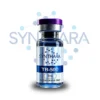
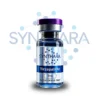
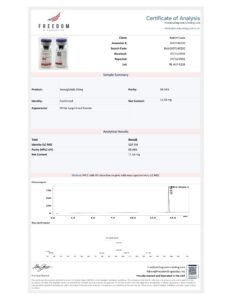
semaglutide
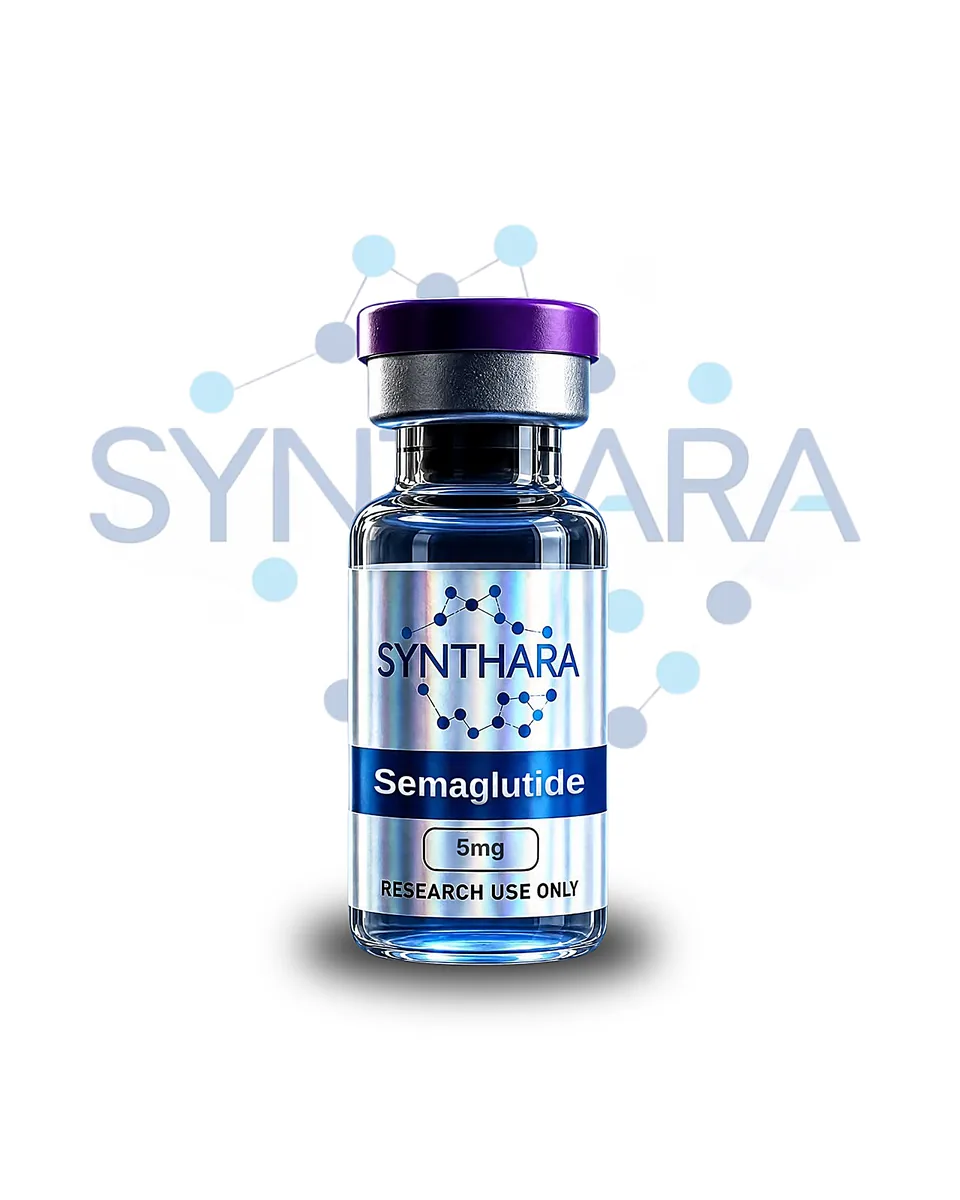
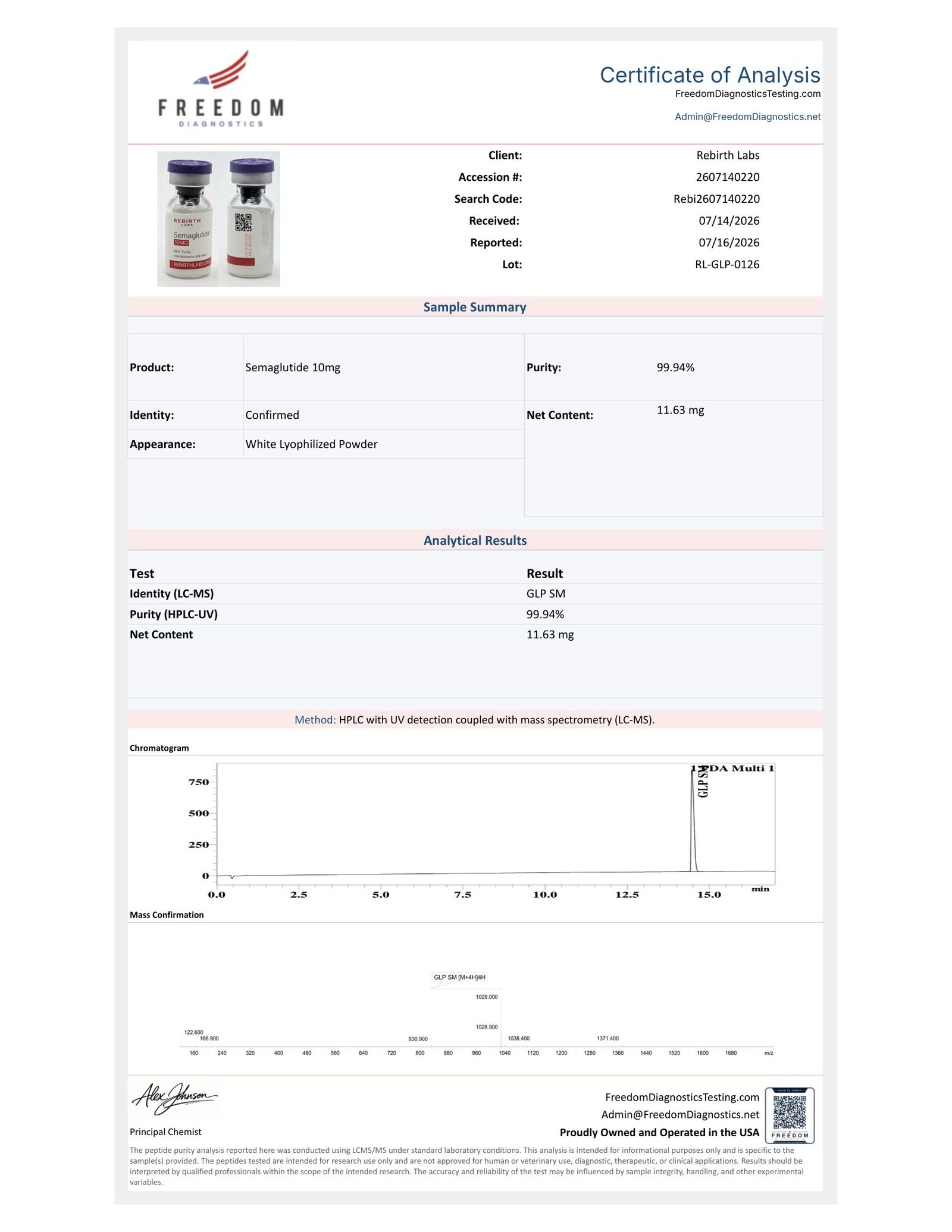
Semaglutide is a long-acting glucagon-like peptide-1 (GLP-1) receptor agonist that has become one of the most studied peptides in the field of metabolic research. GLP-1 is a naturally occurring incretin hormone secreted in response to nutrient ingestion, and its receptor activation plays a central role in regulating insulin secretion, glucagon suppression, gastric emptying, and satiety signalling. Research into Semaglutide has examined its ability to mimic these endogenous effects in a sustained, potent fashion due to its structural modifications that confer resistance to enzymatic degradation and extend its half-life. Preclinical and clinical studies have focused on its effects on glycaemic control, weight reduction, and cardiovascular outcomes, with researchers noting substantial reductions in HbA1c and body weight among study populations. The compound’s influence on the central nervous system’s appetite regulation centres, including the hypothalamus, has also been a subject of active investigation. Semaglutide continues to serve as a benchmark compound in metabolic peptide research, and its pharmacological profile provides a valuable reference point for studying GLP-1 receptor biology.
| Dosage | 10mg, 15mg, 20mg, 30mg, 5mg |
|---|
Be the first to review “semaglutide”
Related products
Uncategorized
Uncategorized
Uncategorized
Uncategorized
Uncategorized
Uncategorized
Uncategorized
Uncategorized
Reviews
There are no reviews yet.